
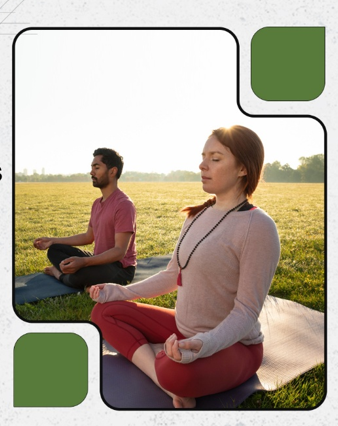
Summary:- Meditation for wellness helps release negative emotions, reduce stress, and improve mental clarity. The blog explains how guided meditation teaches mindful breathing, noticing feelings safely, and responding calmly. It shows practical ways to include short sessions in daily life, manage old emotional triggers, and build emotional stability over time. Readers learn how consistent practice improves focus, patience, sleep, and relationships. With guidance from Blessings by Donna, clients experience lasting calm, emotional strength, and a lighter, more balanced mindset through holistic healing in Southern California.
Negative feelings do more than make you sad or angry. They can make you tired, affect your choices, and change how you act. Meditation for wellness helps you clear your mind and let go of these feelings. With guided meditation for wellness, it becomes easier to move from stress and sadness to calm and peace. In this blog, we will explore how meditation works to release negative emotions, why it is effective, practical exercises, and how making it a habit can change your life.
Why Holding on to Feelings Makes You Tired
When you hold on to anger, fear, or worry, your brain keeps thinking about it over and over. This constant activity makes you feel tired and drained. It can also make it hard to focus and enjoy your day. Meditation for wellness helps break this cycle. It slows down your thoughts and gives your brain a rest. Over time, this practice helps you feel lighter, calmer, and more in control.
How Stress Affects Your Body
Holding onto negative emotions doesn’t just affect your mind, it affects your body too. You might notice tight shoulders, a heavy chest, or a faster heartbeat when you feel angry or worried. Meditation helps relax these areas. Slow, focused breathing sends a signal to your body that it is safe to relax, which reduces tension and makes your body feel lighter.
Why Mental Energy Is Important
Your brain uses energy even when you think you are relaxing. Negative thoughts are like a treadmill running constantly. Meditation slows this treadmill down, giving your mind energy back. With more mental energy, you feel more capable of handling daily tasks and problems.
How Your Breath Helps You Feel Better
Breathing changes when you feel strong emotions. Stress makes your breaths short and fast. Meditation teaches you to breathe slowly and deeply. This sends a calm signal to your brain, helping your body relax and letting go of tight feelings.
Easy Breathing Techniques
- Deep belly breathing: Take a slow breath in through your nose, let your stomach rise, then exhale slowly through your mouth.
- Counting breaths: Breathe in for four counts, hold for four counts, and exhale for four counts.
- Mindful breathing: Focus only on your breath. Notice how it feels entering and leaving your body.
Practicing these techniques for even five minutes can make a noticeable difference in mood and stress levels.
Why Ignoring Feelings Doesn’t Work
Pushing feelings away doesn’t make them disappear. They stay hidden and can come out stronger later. Meditation teaches you to notice your feelings safely. Seeing what you feel without trying to stop it reduces pressure and helps you stay calm.
Understanding Your Emotions
Every emotion has a reason. Anger might be protecting you, sadness could be signaling a need for rest, and fear could be warning you of danger. Meditation helps you understand these feelings without letting them control you. This understanding is the first step to letting go.
Recognizing Patterns
Sometimes the same feelings keep coming back. Meditation helps you notice these patterns. Once you see them, it is easier to respond calmly instead of reacting automatically.
How Meditation Helps You React Better
Often, we react to feelings automatically. A small problem can make us upset quickly. Meditation creates a pause between the problem and your reaction. This pause lets you choose a calmer response. Practicing this regularly makes your mind steady and your mood better.
Examples of Real-Life Benefits
- Instead of arguing over a small mistake, you respond with understanding.
- When stuck in traffic, you stay patient instead of getting angry.
- At school or work, you think clearly before speaking, reducing conflict.
These small changes improve your daily life and relationships.
Small Steps That Make Big Changes
You don’t need long sessions to feel better. Even a few minutes can:
- Release tension
- Clear your mind
- Lower stress
These small steps build up over time and help you stay calm more easily in daily life.
How to Include Meditation in Your Day
- Morning reset: Start the day with a five-minute session to set a calm tone.
- Midday break: Use a short session to refresh your mind before returning to tasks.
- Evening reflection: End the day with meditation to release accumulated stress.
Consistency in small steps creates long-lasting emotional balance.
How Meditation Helps with Old Memories
Sometimes feelings come from past events. Your brain remembers them, and they can affect you now. Meditation helps you notice these memories without getting upset. Over time, past events lose their power, and you can focus on feeling better now.
Letting Go Without Forgetting
You do not erase memories through meditation. Instead, you change how they affect you. Old pain becomes easier to handle, and it stops controlling your emotions.
Reducing Emotional Triggers
Meditation reduces the intensity of triggers that used to upset you. Situations that caused strong reactions before now feel manageable. This creates more calm and control in daily life.
How Calmness Shows in Daily Life
Meditation is not just for quiet moments. It helps you stay calm during school, work, or at home. You react less to small problems and think more clearly. This makes your choices better and your day easier. Calmness becomes part of your life, not just something you feel once in a while.
Improving Relationships
When you stay calm, interactions with family, friends, and coworkers improve. You listen better, speak more thoughtfully, and solve problems calmly. Meditation creates a positive ripple effect in all relationships.
Better Focus and Productivity
A calm mind is more focused. Meditation helps you complete tasks faster, with fewer mistakes. Stress no longer distracts you, making your work and personal life more productive and enjoyable.
Using Meditation in Stressful Moments
- Before a test or meeting: Take three deep breaths to reduce nerves.
- During a disagreement: Pause, focus on your breath, then respond calmly.
- Feeling overwhelmed: Sit quietly and name your emotions to release them.
These simple steps help you feel lighter and more in control quickly.
Why Doing It Every Day Helps the Most
One session can help you feel better, but practicing daily creates real change. Meditation trains your brain to stay calm even in stressful times. After a while, you feel less upset, think more clearly, and handle challenges better.
Building a Daily Routine
Even five minutes daily can create lasting changes. Morning, noon, or night, consistent practice strengthens your mind and emotions. Over weeks, meditation becomes a natural support for handling life’s challenges.
Long-Term Benefits
- Improved emotional control
- Better sleep and less fatigue
- Clearer thinking and decision-making
- Increased patience and kindness
Daily practice ensures that meditation becomes a life-long tool for wellness.
Closing Note:
At Blessings by Donna, led by Donna Fenyes, we help people feel calm, clear, and free from heavy emotions. Our sessions guide you step by step to release stress safely and easily. Through our holistic healing Southern California approach, we help clients feel peace, balance, and emotional strength every day.
If you want to stop holding on to negative emotions and feel lighter, contact us today and start feeling calmer, happier, and more in control of your life.
FAQs:
1. Can meditation help me feel less stressed?
Yes, regular practice trains your mind to stay calm, helping you feel lighter and more peaceful.
2. How long should I meditate for wellness each day?
Even five to ten minutes daily can reduce stress and improve focus with consistent practice.
3. Do I need prior experience to try guided meditation?
No, our sessions at Blessings by Donna guide you step by step, making it easy to start.
4. Can meditation help with past emotional pain?
Yes, meditation allows you to notice old memories without being overwhelmed, easing their impact.
5. Will meditation improve my daily mood and energy?
Absolutely, daily practice supports mental clarity, calm thinking, and more balanced emotions throughout the day.
